Tracing Links Between Mobile Accessibility and Safety Measures in Contemporary Bingo Platforms
Otto Jung · Sep 2, 2026
Tracing Links Between Mobile Accessibility and Safety Measures in Contemporary Bingo Platforms
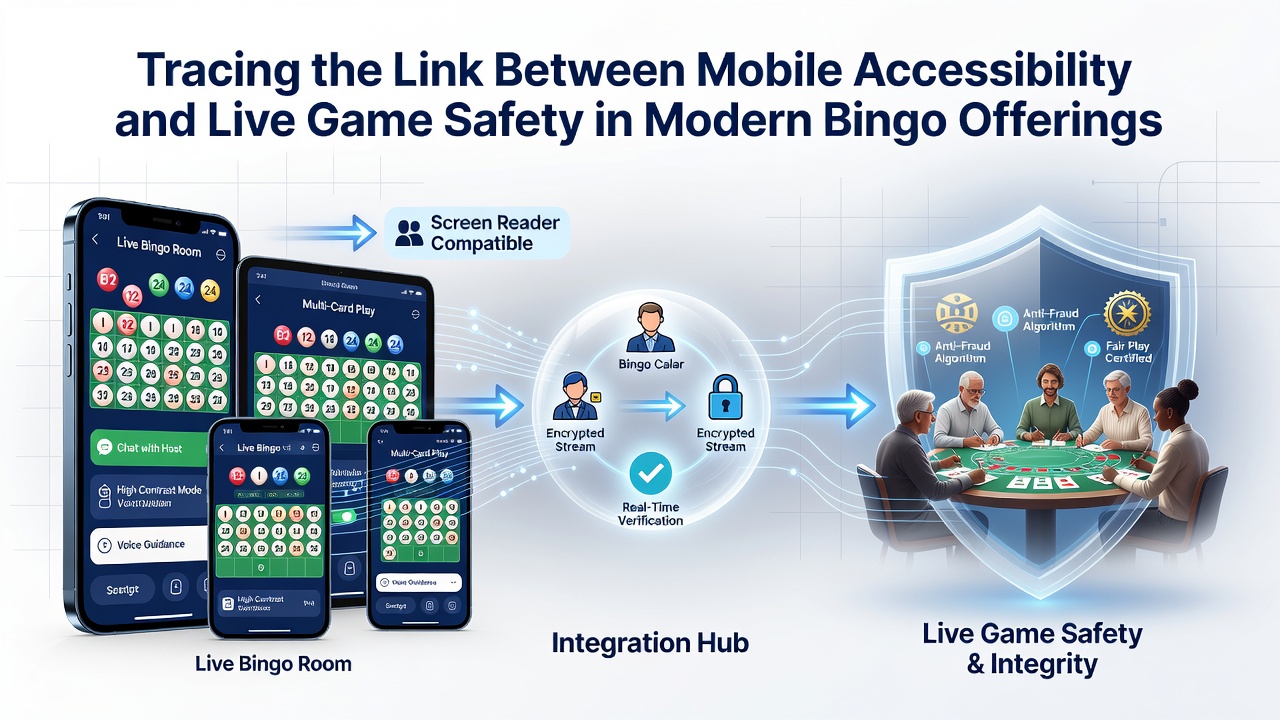
Modern bingo offerings have expanded through mobile platforms that connect players to live games while incorporating verification tools and monitoring systems, and data from multiple regions shows these developments occurring alongside regulatory updates scheduled for September 2026. Observers note that accessibility features on smartphones and tablets often integrate directly with safety protocols such as real-time identity checks and encrypted streams, creating pathways that operators use to manage player sessions in live environments.
Expansion of Mobile Access in Bingo Markets
Industry reports indicate that mobile bingo participation has increased across North America and parts of Europe because devices allow continuous connection to live draws and chat functions without requiring desktop setups. Canadian Gaming Association figures reveal that operators introduced location-based services and biometric logins in recent years, and these tools permit players to join sessions from approved areas while triggering automatic compliance checks. Research from academic sources highlights how app interfaces reduce entry barriers yet maintain session logs that feed into safety databases.
Take one analysis conducted by university researchers in Australia that tracked user patterns over twelve months, and the study found mobile users completed age verifications faster than desktop counterparts because device cameras and NFC readers streamline document uploads during initial registration. Such findings align with broader trends where accessibility improvements coincide with enhanced record-keeping that supports responsible gaming limits.
Safety Protocols in Live Bingo Streams
Live game safety encompasses encryption of video feeds, moderator oversight of chat rooms, and algorithms that detect irregular betting patterns, and regulatory bodies in several jurisdictions require these elements for licensed operations. Data shows that platforms employing multi-factor authentication through mobile apps experience fewer reported incidents of unauthorized access compared to earlier web-only systems. Those who have examined operator logs note that push notifications for deposit limits and time-outs appear more frequently on mobile interfaces, which integrate directly with player accounts.
Interconnections Between Accessibility and Security Features
Accessibility tools such as adaptive screen readers and simplified navigation menus often sit alongside security layers including device fingerprinting and behavioral analytics, and this combination allows systems to flag potential issues without interrupting gameplay. Evidence from industry reports suggests that when mobile apps incorporate geofencing, operators can enforce regional restrictions that align with local licensing rules, and the same technology supports session timeouts that promote safer play durations. What's interesting is how these functions operate in tandem rather than as separate modules, with data streams from accessibility settings feeding into risk assessment models.
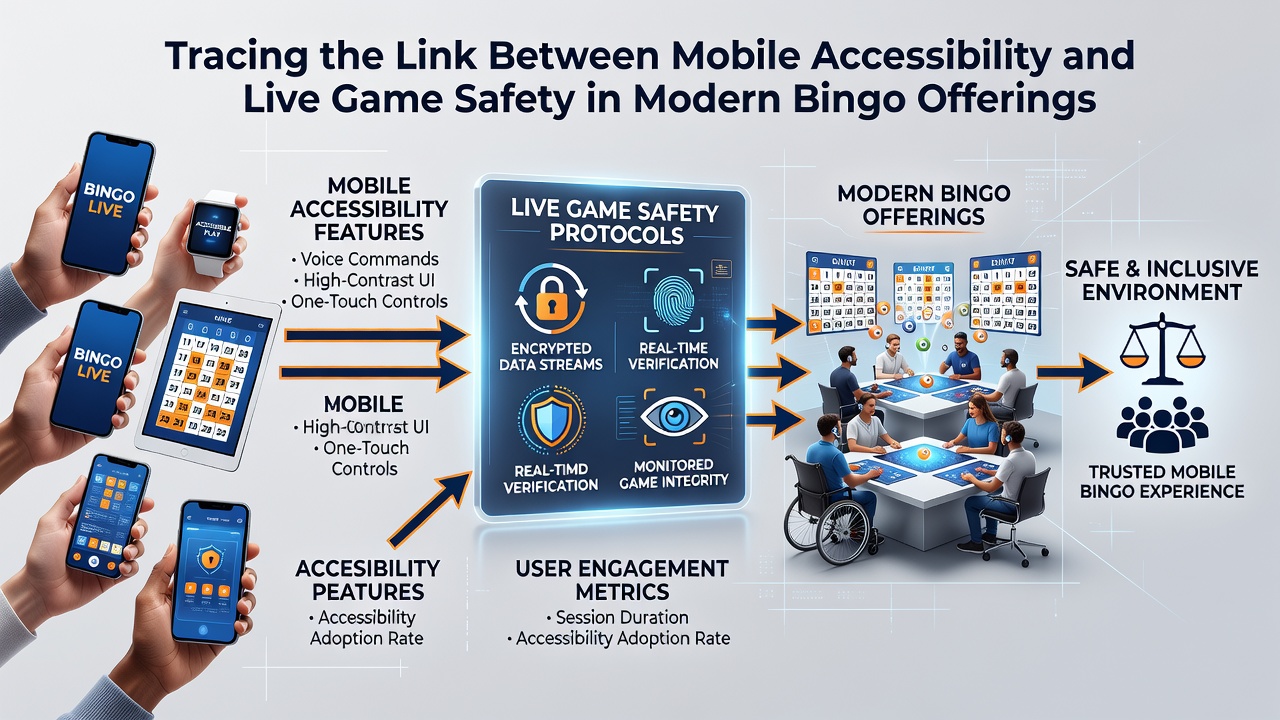
One case examined by researchers at a European institution demonstrated that players using mobile apps with integrated wallet controls completed fewer impulsive deposits during live sessions, and the report linked this outcome to on-device notifications that appear immediately after reaching preset thresholds. Such observations appear in multiple datasets collected before the September 2026 regulatory adjustments, which are expected to standardize certain mobile security requirements across participating markets.
Regional Data and Implementation Patterns
Figures from Australian regulatory sources indicate steady growth in mobile bingo traffic alongside parallel investments in live-stream security, while Canadian provincial data highlights similar patterns in provinces that updated licensing frameworks recently. Observers note that operators in these areas often bundle accessibility upgrades with safety enhancements because device-level permissions enable granular controls that desktop browsers cannot match. Research indicates that live games streamed through mobile channels record higher rates of real-time moderation interventions because apps transmit player metadata more efficiently to central servers.
Yet the same datasets reveal that not all accessibility features translate directly into safety gains, and some platforms still rely on separate backend systems for fraud detection that operate independently of the mobile interface. Those who've reviewed compliance reports emphasize that successful integrations occur when operators design apps to share data securely between user-facing features and administrative monitoring tools.
Conclusion
Available information traces measurable connections between mobile accessibility expansions and the deployment of safety measures in live bingo offerings, with patterns emerging from operator practices and regulatory timelines that extend into September 2026. Studies and regional statistics demonstrate how device capabilities support verification processes and session management, while also showing that these elements function within broader compliance structures. Continued examination of implementation data from varied jurisdictions will provide further clarity on how these links evolve.