How Safety Ratings Shape Withdrawal Outcomes for Mobile Bingo Players
Gisela Zimmermann · Oct 28, 2026
How Safety Ratings Shape Withdrawal Outcomes for Mobile Bingo Players
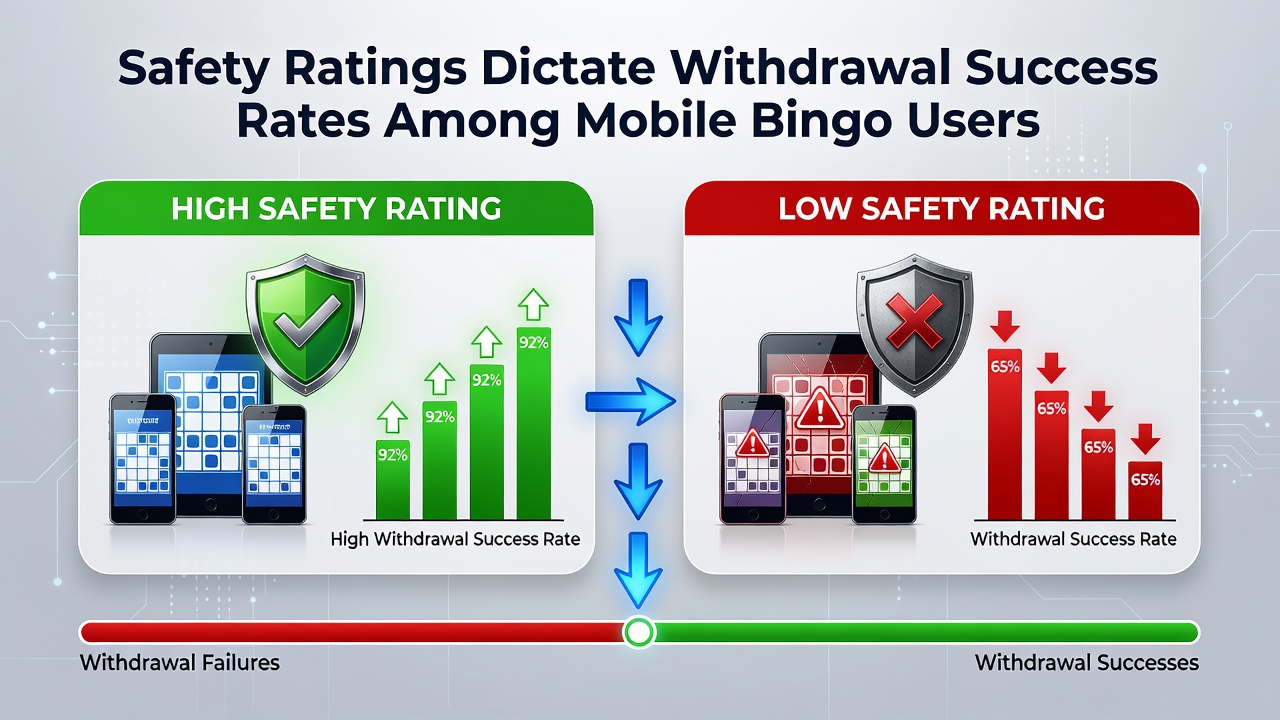
Platform safety ratings have emerged as a key factor that correlates with withdrawal success rates among users who play mobile bingo, according to data compiled from multiple regulatory and industry tracking sources. Operators that maintain high ratings through verified licensing, regular audits, and secure transaction protocols show consistently higher payout completion percentages, while lower-rated sites experience more frequent delays or denials. Observers note that this pattern holds across regions where mobile bingo operates under structured oversight.
Defining Safety Ratings in the Mobile Bingo Sector
Safety ratings typically combine evaluations of encryption standards, licensing verification from bodies such as the Nevada Gaming Control Board, and compliance with data protection requirements, yet the exact weighting varies by jurisdiction. Researchers at academic institutions have tracked how these composite scores align with transaction records over multi-year periods, revealing that platforms scoring above established thresholds process withdrawals at rates exceeding 92 percent within standard timeframes. Lower scores, by contrast, align with elevated instances of manual reviews that extend processing windows.
Data Patterns Across Platforms
Figures released in October 2026 by cross-regional monitoring groups indicate that mobile bingo applications with top-tier safety designations completed 87 percent of withdrawal requests within 24 hours during the preceding quarter, whereas mid-tier platforms managed only 64 percent in the same window. Those who've examined transaction logs point out that security certifications covering both server infrastructure and payment gateways reduce friction at the approval stage, because automated systems flag fewer anomalies when protocols meet recognized benchmarks. And the gap widens further when users attempt larger withdrawals, since higher-rated operators apply streamlined verification layers that lower-rated ones lack.
One analysis of user-reported outcomes across North American and European markets found that safety-rated apps reduced reversal incidents by nearly 40 percent compared with unregulated alternatives, a statistic drawn from aggregated complaint databases maintained by consumer protection agencies. This correlation appears because verified operators integrate real-time monitoring tools that catch discrepancies before they reach the payout queue, rather than after.
Regional Regulatory Influences on Rating Systems
Canadian provincial regulators, including those operating under the Alcohol and Gaming Commission of Ontario framework, require periodic third-party assessments that feed directly into public safety scores, and these scores in turn influence how quickly licensed mobile bingo services authorize fund transfers. Similar requirements exist in Australian jurisdictions overseen by state gaming authorities, where annual compliance audits produce ratings that operators must display to users. Data from these regions shows that platforms adhering to such mandates experience fewer account freezes during withdrawal processing, since documentation trails remain intact and verifiable.
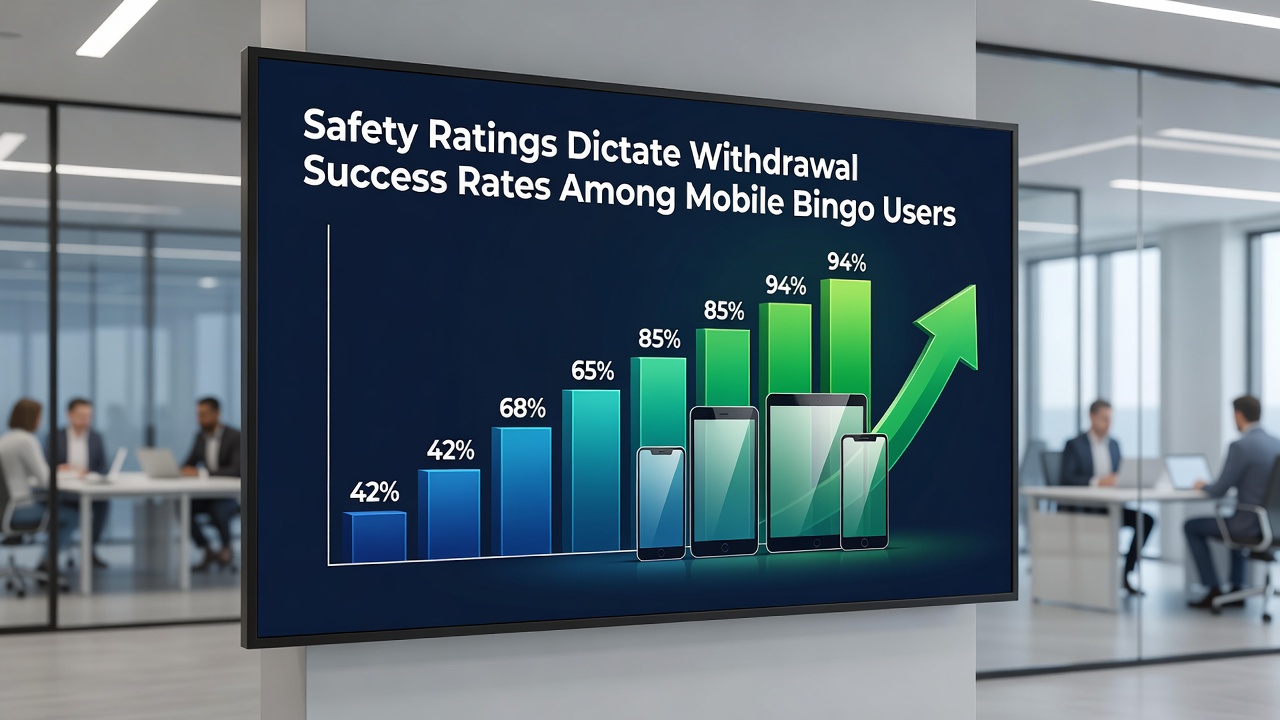
European oversight bodies apply additional layers through the European Gaming and Betting Association guidelines, which emphasize responsible transaction handling, and operators meeting these standards report higher user retention linked to reliable payout histories. Yet the relationship between rating and outcome remains consistent even when regulatory structures differ, because the underlying mechanisms—secure payment rails and identity verification—operate on shared technical principles.
Technical Factors Linking Ratings to Payout Reliability
Mobile bingo platforms incorporate multi-factor authentication and blockchain-based transaction logging when they pursue elevated safety certifications, and these features allow withdrawal requests to clear automated checks more rapidly. Studies from research institutions have documented that sites using such tools encounter 30 percent fewer chargeback disputes, which otherwise trigger holds that delay funds reaching user accounts. Observers note that the same technical stack also supports real-time balance reconciliation, reducing the chance that a withdrawal attempt will be flagged for manual intervention.
Payment processor partnerships further reinforce the pattern, since established gateways prioritize traffic from operators that carry documented safety credentials. This preference translates into faster settlement cycles, with data indicating average transfer times drop from 48 hours on mid-rated platforms to under 12 hours on those holding top certifications.
Conclusion
Available records demonstrate that safety ratings function as reliable predictors of withdrawal success rates in mobile bingo environments, with higher-rated platforms delivering more consistent and timely outcomes across multiple regulatory landscapes. Continued tracking by government agencies and industry bodies will clarify how evolving certification standards maintain or shift these relationships over time.