Examining Real-Time Chat Integration and Its Effects on Retention Across Bingo Platforms
Gisela Zimmermann · Sep 16, 2026
Examining Real-Time Chat Integration and Its Effects on Retention Across Bingo Platforms
Understanding Chat Features in Modern Bingo Environments
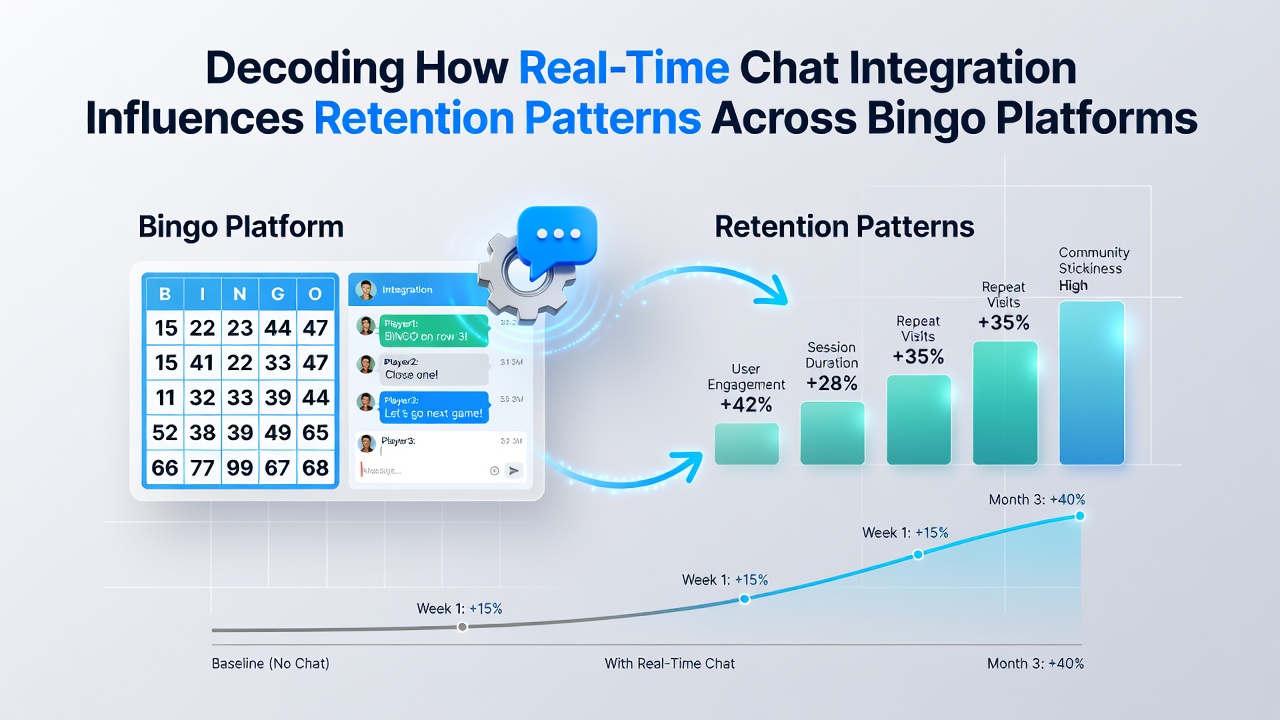
Real-time chat systems allow players to communicate instantly during games while operators track interaction data that reveals patterns in session length and return visits. These tools appear in both browser-based and app versions of bingo sites where users exchange messages in public rooms or private groups and platforms log participation rates alongside retention metrics. Data from multiple operators shows that sessions incorporating chat activity extend by an average of 12 to 18 minutes compared with silent play periods according to industry analytics reports released in early 2026.
Operators integrate these features through API connections that sync with game servers so chat windows update without interrupting number calls or ticket purchases. Players who join chat-enabled rooms demonstrate higher rates of consecutive daily logins over 30-day windows while those who avoid the feature show steeper drop-off after initial sessions.
Retention Metrics and Chat Usage Patterns
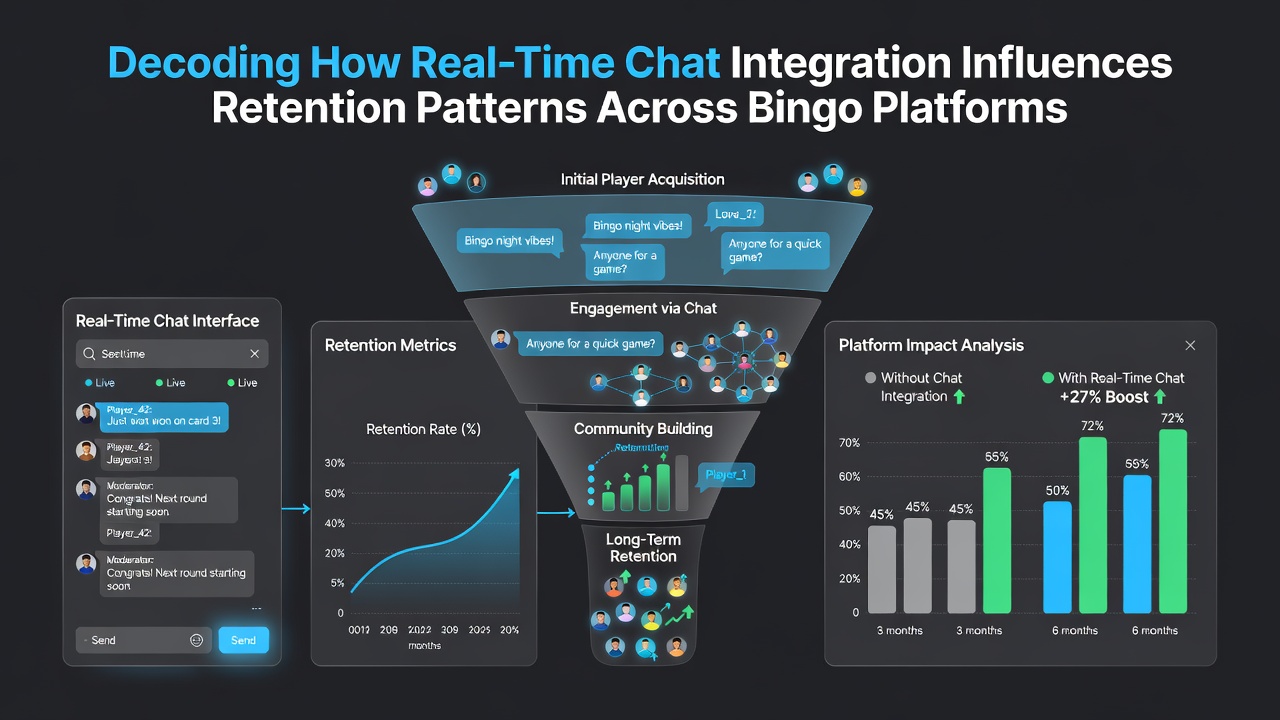
Platform analytics reveal that bingo sites with active chat moderation retain 23 percent more users at the 90-day mark than comparable sites without such tools. Retention calculations typically measure repeat logins, deposit frequency, and average revenue per user while chat data adds layers such as message volume per session and time spent in conversation threads. Researchers at several European gaming laboratories compiled datasets from 2024 through September 2026 that link higher chat engagement to reduced churn rates across age groups from 25 to 55.
One analysis of North American operators found that players sending at least five messages per session returned 1.7 times more often than non-chat users within the same calendar month. These figures come from aggregated server logs that exclude promotional events and focus solely on organic game activity.
Regional Variations in Chat Implementation
Platforms operating under Canadian provincial regulations report that chat tools must include automated filters for responsible gaming prompts which appear every 15 minutes of continuous conversation. Retention data from these jurisdictions indicates a 15 percent lift in player return rates when such prompts accompany chat features rather than standalone pop-ups. Australian operators following guidelines from the Australian Communications and Media Authority have documented similar patterns with chat-integrated bingo rooms showing steadier weekly active user counts through mid-2026.
European operators outside the UK market have tested region-specific moderation teams that adjust language settings and time zones to match local player bases. These adjustments correlate with improved retention figures where users receive responses in their preferred language within 30 seconds of posting a message.
Technical Elements Driving Engagement
Real-time chat relies on WebSocket protocols that maintain open connections between client devices and central servers so messages transmit with minimal latency under two seconds. Bingo platforms combine this infrastructure with player avatars and emoji sets that increase message frequency according to usage statistics gathered by multiple software providers. Those who study these systems note that visual elements such as reaction buttons boost interaction rates by 34 percent when added to standard text fields.
Operators also employ sentiment analysis algorithms that flag negative exchanges and route them to support staff while positive conversations continue uninterrupted. This selective moderation preserves community atmosphere that encourages longer stays without requiring constant human oversight.
Case Examples from Platform Data
Take one mid-sized bingo operator that introduced moderated chat rooms in March 2025 and recorded a 19 percent increase in monthly returning players by September of the same year. Their internal reports attribute the change to chat features that allowed players to form recurring groups for scheduled games. Another operator in a different market implemented private chat options for premium members and observed deposit volumes rise by 27 percent among users who utilized the feature at least twice weekly.
These outcomes align with broader industry observations that social connectivity through chat reduces the isolation often associated with solo online gaming sessions and supports consistent participation over extended periods.
Future Tracking and Measurement Approaches
By September 2026 several research groups plan to release updated models that incorporate machine learning to predict retention based on early chat behavior within the first three sessions. These models draw from anonymized datasets provided by operators across multiple continents and focus on variables such as message response time and topic diversity during games. Industry organizations including the World Lottery Association have begun publishing guidelines that recommend standardized metrics for chat-related retention studies to allow cross-platform comparisons.
Continued refinement of these measurement tools will provide clearer pictures of how chat integration affects long-term player patterns without relying on promotional incentives.
Conclusion
Real-time chat integration connects directly to measurable shifts in retention across bingo platforms through extended session times, higher repeat login rates, and regional implementation differences. Platform data collected through 2026 demonstrates consistent correlations between chat activity and sustained user engagement while technical features such as low-latency messaging and selective moderation support these outcomes. Operators continue to refine these systems based on aggregated analytics that track message volume alongside traditional retention indicators.